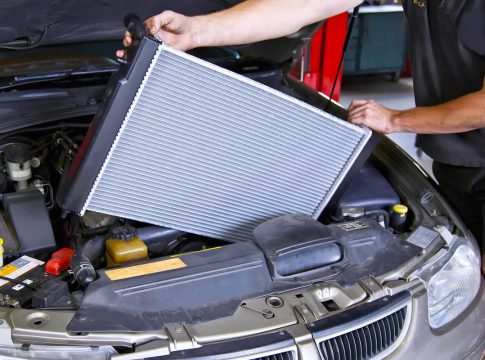
How to Repair a Car Radiator Leak

A car radiator leak is a common problem, especially in older vehicles. If you notice a puddle of liquid under your car parked in the garage, it might be coolant leaking from your radiator. Regularly checking your coolant level is a good way to identify potential leaks. If you find yourself constantly refilling the radiator, it’s a strong indicator of a leak.

Understanding Your Car’s Cooling System

Your car’s engine generates immense heat during combustion. This heat needs to be dissipated to prevent the engine from overheating and potentially seizing. That’s where the radiator comes in. The engine coolant absorbs heat from the engine block and cylinder head and carries it to the radiator. The radiator then acts like a heat exchanger, transferring the heat from the coolant to the air flowing through the fins. This cool air helps regulate the engine temperature and keeps it from melting.

For optimal performance, all components of your car’s cooling system must be in good condition. This includes the radiator, hoses, gaskets, clamps, fans, water pump, thermostat, radiator cap, and the coolant itself. Regular maintenance and inspections ensure these components function properly and prevent overheating. Different parts of the cooling system play specific roles:

  • Hoses: These flexible tubes transport coolant throughout the system, connecting the radiator to the engine and other components.
  • Gaskets: These form a watertight seal between different components, preventing coolant leaks.
  • Clamps: These secure the hoses to the radiator and other parts of the system, ensuring a tight connection and preventing leaks.
  • Fans: The radiator fan helps draw air through the radiator fins, especially when the car is idling or moving slowly, to improve cooling efficiency.
  • Water Pump: This pump circulates the coolant throughout the entire cooling system.
  • Thermostat: This valve regulates the coolant flow by opening and closing based on engine temperature. When the engine is cold, the thermostat remains closed to allow the engine to reach operating temperature quickly. Once the engine reaches operating temperature, the thermostat opens to allow coolant to flow through the radiator for proper cooling.
  • Radiator Cap: This pressurized cap seals the radiator and helps maintain the correct coolant pressure within the system. A properly functioning radiator cap also allows for overflow and prevents the coolant from boiling over.

Checking Your Coolant Level Safely

It’s crucial to check your coolant level regularly. However, never perform this check when the engine is hot! The coolant and engine parts can be extremely hot, and you risk serious burns from touching them or from scalding steam. Always wait until the engine has completely cooled down before checking the coolant level.

To check the coolant level, locate the radiator cap (consult your car’s owner’s manual if needed). Once the engine is cool, remove the cap carefully. The coolant level should be between the minimum and maximum fill lines indicated on the reservoir tank or the radiator neck itself. If the level is low, refill it with the appropriate coolant mixture (usually a 50/50 mix of coolant and water). Consult your owner’s manual for the specific coolant type recommended for your car.

Identifying and Fixing a Radiator Leak

A puddle of liquid under your car, especially if it’s greenish or orange (the color of coolant), is a strong sign of a radiator leak. Start by inspecting the hoses and clamps for any signs of leaks, cracks, or bulges. Swollen or spongy hoses should be replaced to prevent future leaks. Don’t forget to check the heater hoses as well.

If the hoses and clamps seem fine, proceed to inspect the radiator itself. Look for any visible signs of leakage, such as dripping coolant or wet spots around the fins or connections. In some cases, the leak might be small and require a pressure test to pinpoint the exact location. This test is usually performed by a mechanic. A pressure tester forces pressurized air or coolant into the sealed cooling system to identify any leaks that might not be readily apparent during a visual inspection.

Repairing vs. Replacing the Radiator

Small leaks in the radiator might be repairable by a qualified mechanic using soldering or epoxy. However, extensive damage or multiple leaks often require a complete radiator replacement. The decision to repair or replace the radiator depends on several factors, including the severity of the leak, the material the radiator is made from (copper radiators are more repairable than aluminum ones), and the overall condition of the radiator. Consulting with an automotive cooling system specialist is recommended to determine the best course of action for your specific situation.

When to Call a Professional

While some radiator leak repairs might seem DIY-friendly, it’s always best to consult with a professional mechanic if you’re unsure about your abilities or the severity of the leak. They have the expertise and tools to diagnose the problem accurately, assess the extent of the damage, and recommend the most appropriate repair or replacement solution. Additionally, a mechanic can:

  • Perform a pressure test: As mentioned earlier, a pressure test can effectively pinpoint leaks that might be difficult to detect visually.
  • Identify the root cause of the leak: A leak might be a symptom of a larger underlying issue within the cooling system. A mechanic can diagnose the root cause and address it to prevent future leaks.
  • Ensure proper repairs: Working on the cooling system requires knowledge and specific tools. A mechanic can ensure the repairs are done correctly using the right materials and techniques to prevent further problems.
  • Maintain your warranty: If your car is under warranty, attempting a DIY radiator repair might void the warranty on certain components. A certified mechanic can perform repairs while adhering to the manufacturer’s recommendations to keep your warranty intact.

Here are some specific situations where calling a professional is highly recommended:

  • The leak is significant or difficult to locate: Extensive leaks or leaks requiring disassembly of the cooling system components are best left to a professional.
  • You suspect other cooling system problems: If you notice overheating issues in addition to the leak, there might be other underlying problems within the system. A mechanic can diagnose and address these issues comprehensively.
  • You’re uncomfortable working on your car: If you lack the confidence or experience working on car repairs, it’s safer and more reliable to leave it to a professional.

Remember, a timely repair by a qualified mechanic can save you money in the long run by preventing further damage to your car’s engine and cooling system.

A car radiator leak is a common problem, especially in older vehicles. If you notice a puddle of liquid under your car parked in the garage, it might be coolant leaking from your radiator. Regularly checking your coolant level is a good way to identify potential leaks. If you find yourself constantly refilling the radiator, it’s a strong indicator of a leak.

Understanding Your Car’s Cooling System

Your car’s engine generates immense heat during combustion. This heat needs to be dissipated to prevent the engine from overheating and potentially seizing. That’s where the radiator comes in. The engine coolant absorbs heat from the engine block and cylinder head and carries it to the radiator. The radiator then acts like a heat exchanger, transferring the heat from the coolant to the air flowing through the fins. This cool air helps regulate the engine temperature and keeps it from melting.

For optimal performance, all components of your car’s cooling system must be in good condition. This includes the radiator, hoses, gaskets, clamps, fans, water pump, thermostat, radiator cap, and the coolant itself. Regular maintenance and inspections ensure these components function properly and prevent overheating. Different parts of the cooling system play specific roles:

  • Hoses: These flexible tubes transport coolant throughout the system, connecting the radiator to the engine and other components.
  • Gaskets: These form a watertight seal between different components, preventing coolant leaks.
  • Clamps: These secure the hoses to the radiator and other parts of the system, ensuring a tight connection and preventing leaks.
  • Fans: The radiator fan helps draw air through the radiator fins, especially when the car is idling or moving slowly, to improve cooling efficiency.
  • Water Pump: This pump circulates the coolant throughout the entire cooling system.
  • Thermostat: This valve regulates the coolant flow by opening and closing based on engine temperature. When the engine is cold, the thermostat remains closed to allow the engine to reach operating temperature quickly. Once the engine reaches operating temperature, the thermostat opens to allow coolant to flow through the radiator for proper cooling.
  • Radiator Cap: This pressurized cap seals the radiator and helps maintain the correct coolant pressure within the system. A properly functioning radiator cap also allows for overflow and prevents the coolant from boiling over.

Checking Your Coolant Level Safely

It’s crucial to check your coolant level regularly. However, never perform this check when the engine is hot! The coolant and engine parts can be extremely hot, and you risk serious burns from touching them or from scalding steam. Always wait until the engine has completely cooled down before checking the coolant level.

To check the coolant level, locate the radiator cap (consult your car’s owner’s manual if needed). Once the engine is cool, remove the cap carefully. The coolant level should be between the minimum and maximum fill lines indicated on the reservoir tank or the radiator neck itself. If the level is low, refill it with the appropriate coolant mixture (usually a 50/50 mix of coolant and water). Consult your owner’s manual for the specific coolant type recommended for your car.

Identifying and Fixing a Radiator Leak

A puddle of liquid under your car, especially if it’s greenish or orange (the color of coolant), is a strong sign of a radiator leak. Start by inspecting the hoses and clamps for any signs of leaks, cracks, or bulges. Swollen or spongy hoses should be replaced to prevent future leaks. Don’t forget to check the heater hoses as well.

If the hoses and clamps seem fine, proceed to inspect the radiator itself. Look for any visible signs of leakage, such as dripping coolant or wet spots around the fins or connections. In some cases, the leak might be small and require a pressure test to pinpoint the exact location. This test is usually performed by a mechanic. A pressure tester forces pressurized air or coolant into the sealed cooling system to identify any leaks that might not be readily apparent during a visual inspection.

Repairing vs. Replacing the Radiator

Small leaks in the radiator might be repairable by a qualified mechanic using soldering or epoxy. However, extensive damage or multiple leaks often require a complete radiator replacement. The decision to repair or replace the radiator depends on several factors, including the severity of the leak, the material the radiator is made from (copper radiators are more repairable than aluminum ones), and the overall condition of the radiator. Consulting with an automotive cooling system specialist is recommended to determine the best course of action for your specific situation.

When to Call a Professional

While some radiator leak repairs might seem DIY-friendly, it’s always best to consult with a professional mechanic if you’re unsure about your abilities or the severity of the leak. They have the expertise and tools to diagnose the problem accurately, assess the extent of the damage, and recommend the most appropriate repair or replacement solution. Additionally, a mechanic can:

  • Perform a pressure test: As mentioned earlier, a pressure test can effectively pinpoint leaks that might be difficult to detect visually.
  • Identify the root cause of the leak: A leak might be a symptom of a larger underlying issue within the cooling system. A mechanic can diagnose the root cause and address it to prevent future leaks.
  • Ensure proper repairs: Working on the cooling system requires knowledge and specific tools. A mechanic can ensure the repairs are done correctly using the right materials and techniques to prevent further problems.
  • Maintain your warranty: If your car is under warranty, attempting a DIY radiator repair might void the warranty on certain components. A certified mechanic can perform repairs while adhering to the manufacturer’s recommendations to keep your warranty intact.

Here are some specific situations where calling a professional is highly recommended:

  • The leak is significant or difficult to locate: Extensive leaks or leaks requiring disassembly of the cooling system components are best left to a professional.
  • You suspect other cooling system problems: If you notice overheating issues in addition to the leak, there might be other underlying problems within the system. A mechanic can diagnose and address these issues comprehensively.
  • You’re uncomfortable working on your car: If you lack the confidence or experience working on car repairs, it’s safer and more reliable to leave it to a professional.

Remember, a timely repair by a qualified mechanic can save you money in the long run by preventing further damage to your car’s engine and cooling system.

More from author

Related posts

Latest posts

Mike D’Antoni – coach and basketball player

Mike D'Antoni isn't your typical NBA coach. He carved out a unique path, finding success overseas before bringing his fast-paced, offensive-minded style to American...

How to Upgrade RAM

In the ever-evolving world of computer components, choosing the right RAM (Random Access Memory) can feel like navigating a labyrinth. Fear not, tech enthusiasts!...

What is Ice?

Ice might seem like a simple thing, but it's actually a fascinating substance with a big impact on our planet. In this post, we'll...

WordPress

Now, there are many platforms or software available for creating websites. In connection with this, WordPress is an example of the most popular CMS (Content...

Who Invented Popcorn?

Popcorn, the fluffy white kernels that magically expand under heat, is a delightful treat enjoyed by people around the world. But have you ever...

Want to stay up to date with the latest news?

We would love to hear from you! Please fill in your details and we will stay in touch. It's that simple!