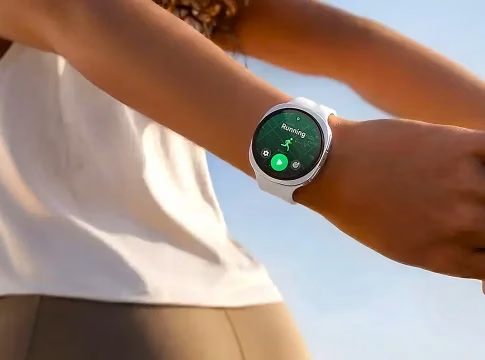
Why the Galaxy Watch 10 Release Might Skip 2027 and What It Means for You

If you buy a new smartwatch every fall, Samsung may soon break that routine. A fresh report out of South Korea suggests the Galaxy Watch 10 release could skip 2027 entirely and move to 2028. After years of testing wearables side by side, I see this pause as welcome news for everyday buyers. Instead of rushing minor updates out the door, Samsung appears ready to fix rising costs and deliver longer-lasting value.

Key Takeaways (TL;DR)

  • No Watch 10 in 2027: Samsung may shift its flagship smartwatch line to a two-year cycle, pushing the next major launch to 2028.
  • Financial pressure drives the change: Two straight quarters of mobile division losses and steep component costs forced a rethink.
  • Software bridges the gap: Existing Galaxy Watch owners should still receive new health tools and software updates during 2027.
  • Budget options remain: The entry-level Galaxy Fit 4 fitness tracker is still expected to arrive in 2027.

Why Samsung Is Rethinking the Annual Galaxy Watch 10 Release

Samsung has launched a new flagship smartwatch every single year since 2018. That streak included major milestones, such as moving to Google's Wear OS platform with the Galaxy Watch 4 in 2021. Just this year, the company rolled out the Galaxy Watch 9 alongside the rugged Galaxy Watch Ultra 2.

According to South Korean outlet ETNews, as reported by 9to5Google, that annual rhythm is about to end. The report indicates that Samsung will skip a 2027 smartwatch refresh and adopt a bi-yearly launch schedule instead. As a result, the anticipated Galaxy Watch 10 would not hit store shelves until 2028.

From my experience advising regular buyers, yearly watch launches often create unnecessary confusion. Most people keep a smartwatch for three to four years before the battery wears down. When a brand releases a nearly identical watch every twelve months, shoppers feel pressured to upgrade too soon. Skipping a year gives Samsung room to build hardware that actually feels new.

Inside the Financial Squeeze Behind Rising Watch Prices
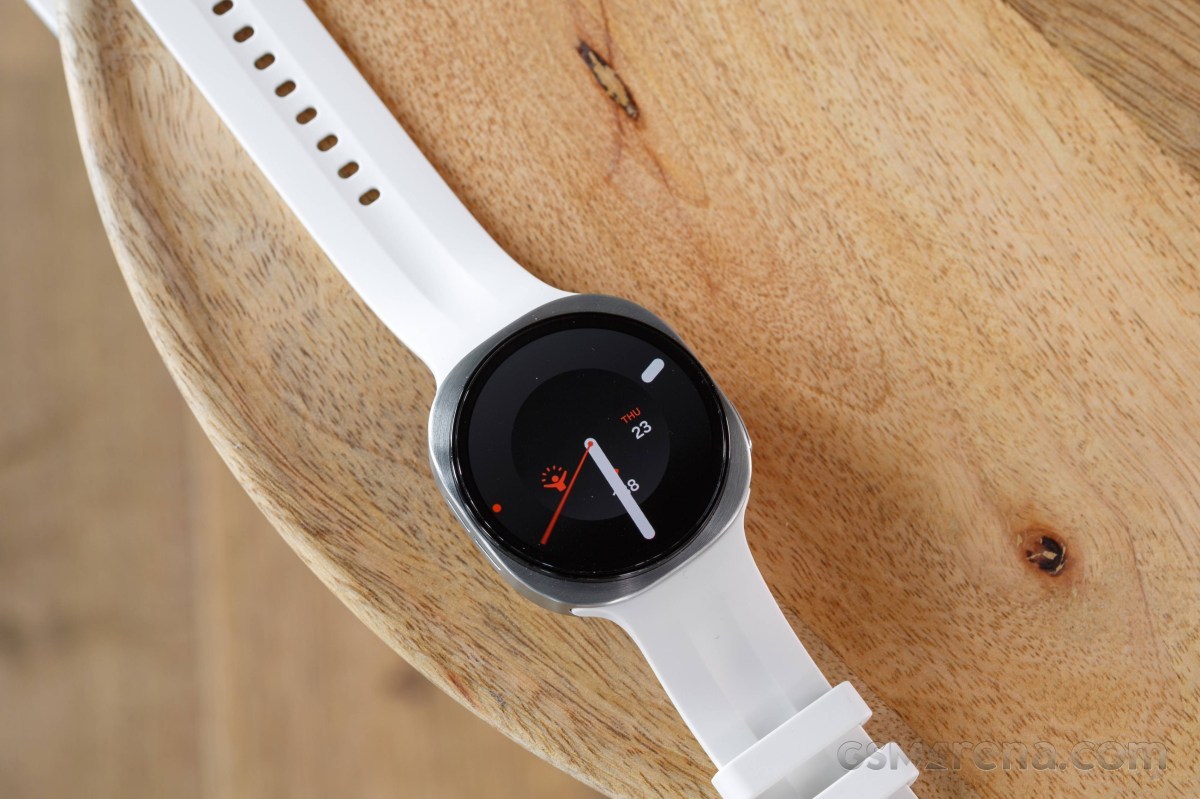
Samsung Galaxy Watch9
Source: gsmarena.com

This potential delay is not just about design fatigue. Samsung's Mobile eXperience (MX) division, which builds its phones and wearables, has posted financial losses for two straight quarters. Surging manufacturing and memory costs—dubbed "RAMageddon" by industry watchers—have heavily squeezed hardware margins.

"The reason, the report suggests, is that Samsung is 'undertaking a structural overhaul to strengthen profitability' following two quarters in a row of losses in its mobile division." — 9to5Google

To offset higher production costs, Samsung raised the retail price of the Galaxy Watch 9 above the earlier Galaxy Watch 8. However, shoppers pushed back, and Galaxy Watch 9 sales fell short of expectations. Data from Counterpoint Research shared by PhoneArena shows Samsung's smartwatch shipments dropped 12% in 2025. That slide left Samsung in fourth place globally with a 7% market share, trailing Apple's 23% share.

In my own reader Q&As, price is the top complaint I hear about premium wearables. Nearly 31% of respondents in a PhoneArena poll agreed that Galaxy Watches cost more than they should.

What a Two-Year Smartwatch Cycle Looks Like in Practice
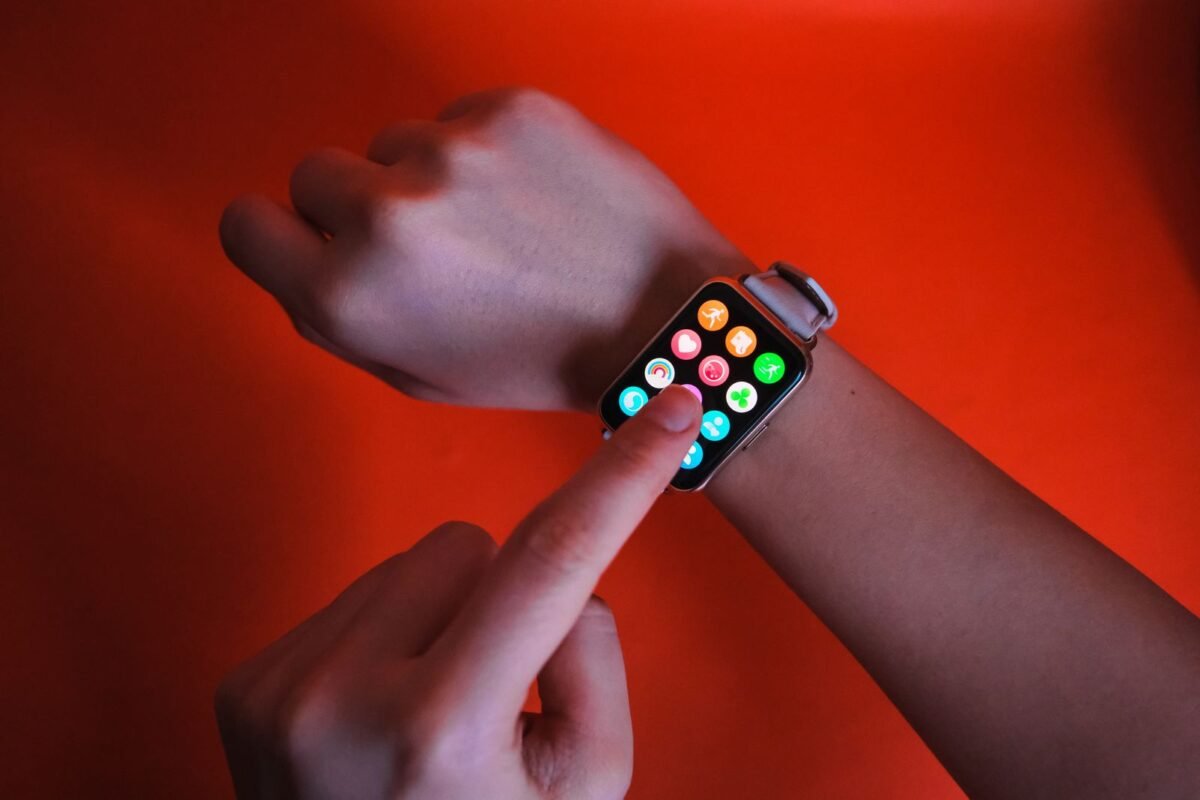
One UI 9 Watch Hits Galaxy Watch 8 in the US: What's New
Source: geekblog.net

Smartwatches have entered what analysts call a "mature phase". Screen brightness, step tracking, and heart-rate sensors already work reliably for most people. Adding a slightly faster processor each autumn rarely changes how you use your watch during a morning run or a busy workday.

Strategy ElementPrevious Annual CycleRumored 2027–2028 Shift
Flagship Watch LaunchEvery year since 2018Skipping 2027; moving to 2028
Primary Business GoalChasing global market shareProtecting profitability
Core User FocusMinor yearly hardware tweaksSoftware and health updates
Entry-Level WearableOccasional Fit band updatesGalaxy Fit 4 expected in 2027

When I test smartwatches over long periods, I notice a clear pattern. Software stability and battery optimization affect daily satisfaction far more than small spec bumps. Pausing the Galaxy Watch 10 release saves Samsung massive sums in research, tooling, and marketing. For consumers, it also means your current watch holds its resale value and relevance for two full years.

How Samsung Plans to Bridge the 2027 Hardware Gap

Skipping a flagship smartwatch launch does not mean Samsung is walking away from wearables next year. Instead, the company plans to focus on software improvements and new health tracking capabilities for models already on wrists.

Here is what current and budget-minded shoppers can expect in 2027:

  • Deeper health software: Samsung intends to roll out enhanced healthcare features through software updates rather than locking them behind new hardware.
  • Extended support for existing watches: Owners of recent models like the Galaxy Watch 8, Watch 9, and Watch Ultra 2 should continue receiving meaningful feature drops.
  • A budget tracker option: According to Dealabs leaks cited by 9to5Google, the simpler Galaxy Fit 4 fitness band is still slated for 2027 at around €79.90 in Europe.

In practice, delivering new health tools via software builds real trust. I always caution buyers against purchasing a watch solely on promised updates, so wait until features actually land. Still, supporting recent models well into 2027 keeps loyal users happy.

Why Mid-Range and Flagship Phones Face Similar Pressure

Samsung's smartwatch pause is part of a wider shift across its entire mobile business. Under new leadership in its mobile division, the company is prioritizing steady profits over raw shipment volume.

According to ETNews via PhoneArena, Samsung may cut production of its budget-friendly Galaxy A-series phones by 20% to curb losses. At the high end, the company reportedly plans to dedicate nearly 70% of Galaxy S27 lineup production to its priciest Galaxy S27 Pro and Galaxy S27 Ultra models. Meanwhile, standard models like the Galaxy S27 and S27 Plus are rumored to receive minimal hardware changes.

Several industry voices, including PhoneArena editors and well-known tipster Ice Universe, argue those base phones should also adopt a two-year cycle. Having reviewed dozens of mid-tier and "Plus" phones over the years, I agree with that logic. Releasing an unchanged phone every year only dilutes the lineup and frustrates recent buyers.

Smart Buying Advice While You Wait for 2028
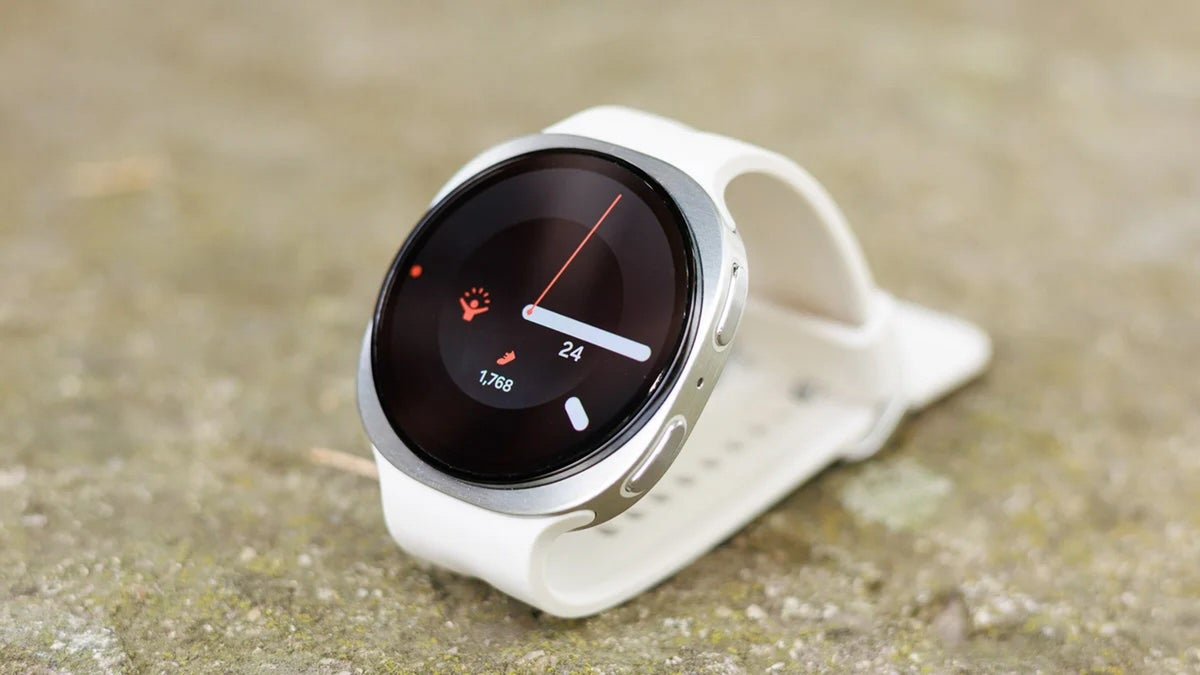
Samsung Galaxy Watch 10 release date expectations, price estimates, and ...
Source: phonearena.com

If you wonder whether to buy a smartwatch now or wait, keep your decision grounded in your daily routine. Waiting two years for the Galaxy Watch 10 release makes zero sense if your current watch dies by noon or drops workout tracking. On the other hand, rushing into a full-price purchase without checking older models is a common mistake I see buyers make.

Follow these practical steps before spending your money:

  • Check previous-generation deals: With the Watch 9 priced higher at launch, models like the Galaxy Watch 8 offer nearly identical core sensors at steep discounts.
  • Match the device to your habits: If you only track steps, sleep, and basic alerts, waiting for the affordable Galaxy Fit 4 in 2027 could save you hundreds.
  • Keep rumor context in mind: Remember that Samsung has not officially confirmed the 2027 pause yet, as this news comes from supply-chain reports.

Taking a calm, needs-first approach protects your wallet far better than chasing the newest model number.

Frequently Asked Questions (FAQ)

Is the Galaxy Watch 10 officially canceled for 2027?

No, Samsung has not made an official announcement yet. The news comes from South Korean outlet ETNews citing Samsung's internal profitability overhaul.

Why would Samsung skip a Galaxy Watch launch in 2027?

Samsung's mobile division posted two straight quarters of losses due to high component costs and slower Galaxy Watch 9 sales. Pausing hardware for a year helps cut research and marketing expenses.

Will Samsung release any wearable in 2027?

Yes, reports indicate the budget Galaxy Fit 4 fitness tracker is expected in 2027, alongside software updates for current smartwatches.

Should I buy a Galaxy Watch now or wait until 2028?

If you need a smartwatch today, look for discounted Galaxy Watch 8 or Watch 9 deals instead of paying full launch price. Waiting until 2028 only makes sense if your current watch still runs well.

Conclusion

A two-year cycle for the Galaxy Watch 10 release would mark a major turning point for Samsung wearables. While the shift stems from tough financial losses and steep component costs, everyday shoppers stand to benefit. Longer hardware cycles encourage better software support, protect device value, and give engineers time to build meaningful upgrades. Whether you grab a discounted Watch 8 today or hold out until 2028, let your daily needs—not a release calendar—guide your next move.

See What Current Galaxy Watches Can Do

Since Samsung may stretch its upgrade cycle and focus on getting more out of existing wearables, now is the perfect time to see what current models can actually handle. From extreme durability tests on the Galaxy Watch Ultra to streaming Netflix on your wrist and mastering handy Galaxy Watch 6 tips, these quick clips showcase how much value today's watches still offer.

If you buy a new smartwatch every fall, Samsung may soon break that routine. A fresh report out of South Korea suggests the Galaxy Watch 10 release could skip 2027 entirely and move to 2028. After years of testing wearables side by side, I see this pause as welcome news for everyday buyers. Instead of rushing minor updates out the door, Samsung appears ready to fix rising costs and deliver longer-lasting value.

Key Takeaways (TL;DR)

  • No Watch 10 in 2027: Samsung may shift its flagship smartwatch line to a two-year cycle, pushing the next major launch to 2028.
  • Financial pressure drives the change: Two straight quarters of mobile division losses and steep component costs forced a rethink.
  • Software bridges the gap: Existing Galaxy Watch owners should still receive new health tools and software updates during 2027.
  • Budget options remain: The entry-level Galaxy Fit 4 fitness tracker is still expected to arrive in 2027.

Why Samsung Is Rethinking the Annual Galaxy Watch 10 Release

Samsung has launched a new flagship smartwatch every single year since 2018. That streak included major milestones, such as moving to Google's Wear OS platform with the Galaxy Watch 4 in 2021. Just this year, the company rolled out the Galaxy Watch 9 alongside the rugged Galaxy Watch Ultra 2.

According to South Korean outlet ETNews, as reported by 9to5Google, that annual rhythm is about to end. The report indicates that Samsung will skip a 2027 smartwatch refresh and adopt a bi-yearly launch schedule instead. As a result, the anticipated Galaxy Watch 10 would not hit store shelves until 2028.

From my experience advising regular buyers, yearly watch launches often create unnecessary confusion. Most people keep a smartwatch for three to four years before the battery wears down. When a brand releases a nearly identical watch every twelve months, shoppers feel pressured to upgrade too soon. Skipping a year gives Samsung room to build hardware that actually feels new.

Inside the Financial Squeeze Behind Rising Watch Prices

Samsung Galaxy Watch9
Source: gsmarena.com

This potential delay is not just about design fatigue. Samsung's Mobile eXperience (MX) division, which builds its phones and wearables, has posted financial losses for two straight quarters. Surging manufacturing and memory costs—dubbed "RAMageddon" by industry watchers—have heavily squeezed hardware margins.

"The reason, the report suggests, is that Samsung is 'undertaking a structural overhaul to strengthen profitability' following two quarters in a row of losses in its mobile division." — 9to5Google

To offset higher production costs, Samsung raised the retail price of the Galaxy Watch 9 above the earlier Galaxy Watch 8. However, shoppers pushed back, and Galaxy Watch 9 sales fell short of expectations. Data from Counterpoint Research shared by PhoneArena shows Samsung's smartwatch shipments dropped 12% in 2025. That slide left Samsung in fourth place globally with a 7% market share, trailing Apple's 23% share.

In my own reader Q&As, price is the top complaint I hear about premium wearables. Nearly 31% of respondents in a PhoneArena poll agreed that Galaxy Watches cost more than they should.

What a Two-Year Smartwatch Cycle Looks Like in Practice

One UI 9 Watch Hits Galaxy Watch 8 in the US: What's New
Source: geekblog.net

Smartwatches have entered what analysts call a "mature phase". Screen brightness, step tracking, and heart-rate sensors already work reliably for most people. Adding a slightly faster processor each autumn rarely changes how you use your watch during a morning run or a busy workday.

Strategy ElementPrevious Annual CycleRumored 2027–2028 Shift
Flagship Watch LaunchEvery year since 2018Skipping 2027; moving to 2028
Primary Business GoalChasing global market shareProtecting profitability
Core User FocusMinor yearly hardware tweaksSoftware and health updates
Entry-Level WearableOccasional Fit band updatesGalaxy Fit 4 expected in 2027

When I test smartwatches over long periods, I notice a clear pattern. Software stability and battery optimization affect daily satisfaction far more than small spec bumps. Pausing the Galaxy Watch 10 release saves Samsung massive sums in research, tooling, and marketing. For consumers, it also means your current watch holds its resale value and relevance for two full years.

How Samsung Plans to Bridge the 2027 Hardware Gap

Skipping a flagship smartwatch launch does not mean Samsung is walking away from wearables next year. Instead, the company plans to focus on software improvements and new health tracking capabilities for models already on wrists.

Here is what current and budget-minded shoppers can expect in 2027:

  • Deeper health software: Samsung intends to roll out enhanced healthcare features through software updates rather than locking them behind new hardware.
  • Extended support for existing watches: Owners of recent models like the Galaxy Watch 8, Watch 9, and Watch Ultra 2 should continue receiving meaningful feature drops.
  • A budget tracker option: According to Dealabs leaks cited by 9to5Google, the simpler Galaxy Fit 4 fitness band is still slated for 2027 at around €79.90 in Europe.

In practice, delivering new health tools via software builds real trust. I always caution buyers against purchasing a watch solely on promised updates, so wait until features actually land. Still, supporting recent models well into 2027 keeps loyal users happy.

Why Mid-Range and Flagship Phones Face Similar Pressure

Samsung's smartwatch pause is part of a wider shift across its entire mobile business. Under new leadership in its mobile division, the company is prioritizing steady profits over raw shipment volume.

According to ETNews via PhoneArena, Samsung may cut production of its budget-friendly Galaxy A-series phones by 20% to curb losses. At the high end, the company reportedly plans to dedicate nearly 70% of Galaxy S27 lineup production to its priciest Galaxy S27 Pro and Galaxy S27 Ultra models. Meanwhile, standard models like the Galaxy S27 and S27 Plus are rumored to receive minimal hardware changes.

Several industry voices, including PhoneArena editors and well-known tipster Ice Universe, argue those base phones should also adopt a two-year cycle. Having reviewed dozens of mid-tier and "Plus" phones over the years, I agree with that logic. Releasing an unchanged phone every year only dilutes the lineup and frustrates recent buyers.

Smart Buying Advice While You Wait for 2028

Samsung Galaxy Watch 10 release date expectations, price estimates, and ...
Source: phonearena.com

If you wonder whether to buy a smartwatch now or wait, keep your decision grounded in your daily routine. Waiting two years for the Galaxy Watch 10 release makes zero sense if your current watch dies by noon or drops workout tracking. On the other hand, rushing into a full-price purchase without checking older models is a common mistake I see buyers make.

Follow these practical steps before spending your money:

  • Check previous-generation deals: With the Watch 9 priced higher at launch, models like the Galaxy Watch 8 offer nearly identical core sensors at steep discounts.
  • Match the device to your habits: If you only track steps, sleep, and basic alerts, waiting for the affordable Galaxy Fit 4 in 2027 could save you hundreds.
  • Keep rumor context in mind: Remember that Samsung has not officially confirmed the 2027 pause yet, as this news comes from supply-chain reports.

Taking a calm, needs-first approach protects your wallet far better than chasing the newest model number.

Frequently Asked Questions (FAQ)

Is the Galaxy Watch 10 officially canceled for 2027?

No, Samsung has not made an official announcement yet. The news comes from South Korean outlet ETNews citing Samsung's internal profitability overhaul.

Why would Samsung skip a Galaxy Watch launch in 2027?

Samsung's mobile division posted two straight quarters of losses due to high component costs and slower Galaxy Watch 9 sales. Pausing hardware for a year helps cut research and marketing expenses.

Will Samsung release any wearable in 2027?

Yes, reports indicate the budget Galaxy Fit 4 fitness tracker is expected in 2027, alongside software updates for current smartwatches.

Should I buy a Galaxy Watch now or wait until 2028?

If you need a smartwatch today, look for discounted Galaxy Watch 8 or Watch 9 deals instead of paying full launch price. Waiting until 2028 only makes sense if your current watch still runs well.

Conclusion

A two-year cycle for the Galaxy Watch 10 release would mark a major turning point for Samsung wearables. While the shift stems from tough financial losses and steep component costs, everyday shoppers stand to benefit. Longer hardware cycles encourage better software support, protect device value, and give engineers time to build meaningful upgrades. Whether you grab a discounted Watch 8 today or hold out until 2028, let your daily needs—not a release calendar—guide your next move.

See What Current Galaxy Watches Can Do

Since Samsung may stretch its upgrade cycle and focus on getting more out of existing wearables, now is the perfect time to see what current models can actually handle. From extreme durability tests on the Galaxy Watch Ultra to streaming Netflix on your wrist and mastering handy Galaxy Watch 6 tips, these quick clips showcase how much value today's watches still offer.

More from author

LEAVE A REPLY

Please enter your comment!
Please enter your name here

Related posts

Latest posts

Samsung Safe Shipping Mode in One UI 9.5: How It Works and Why It Matters

Samsung is testing a Safe Shipping mode in One UI 9.5 to prepare larger Galaxy batteries for mail-in repairs. Learn how it works, its limits, and what else is coming.

GrapheneOS RCS Messaging: The Breakthrough That Bypasses Google Messages

GrapheneOS has developed a working RCS messaging prototype that removes the need for Google Messages, featuring MLS encryption and hardened media sandboxing.

Mike D’Antoni – coach and basketball player

Mike D'Antoni isn't your typical NBA coach. He carved out a unique path, finding success overseas before bringing his fast-paced, offensive-minded style to American...

How to Upgrade RAM

In the ever-evolving world of computer components, choosing the right RAM (Random Access Memory) can feel like navigating a labyrinth. Fear not, tech enthusiasts!...

What is Ice?

Ice might seem like a simple thing, but it's actually a fascinating substance with a big impact on our planet. In this post, we'll...

Want to stay up to date with the latest news?

We would love to hear from you! Please fill in your details and we will stay in touch. It's that simple!