
Car technology has revolutionized the way we drive. Gone are the days of manually cranking windows; with a simple button press, fresh air floods the cabin. However, even these modern marvels can encounter problems. This guide will equip you to troubleshoot and potentially fix common power window issues, and also provide information on windscreen repair and replacement.
Troubleshooting Power Windows:
Before you dive in, remember to prioritize safety. Always consult your car’s manual for specific instructions and disconnect the negative battery terminal before working on electrical components.
- Check the Fuse: A blown fuse is a common culprit for power window malfunctions. Locate the fuse box under your dashboard (refer to your car’s manual for exact location) and identify the power window fuse. Replace a blown fuse with one of the same rating.
- Door Panel Removal: If the fuse isn’t the issue, you’ll need to access the window regulator and motor. Begin by removing the interior door panel. Carefully remove any screws, bolts, or trim pieces that might hinder removal. Consult your car’s manual or a repair guide for specific panel removal instructions. Work meticulously to avoid damaging the panel or any clips that hold it in place.
- Wiring and Switch Inspection: Once the panel is off, detach the power window and door lock wiring connectors for easier troubleshooting. Visually inspect the wiring for any fraying, damage, or corrosion. A multimeter can be used to check for continuity throughout the circuit, helping to pinpoint faulty wiring or a malfunctioning switch. If you suspect a switch issue, you can often try cleaning the switch contacts with electrical contact cleaner before replacing it entirely.
- Window Regulator and Motor: If the wiring seems intact, the problem might lie with the window regulator or motor. The regulator is the mechanism that controls the window’s movement, using tracks and gears to guide the window up and down. The motor provides the power to drive the regulator. A multimeter can also be used to test the motor for functionality. If the motor isn’t functioning, listen for any grinding noises when actuating the switch; this could indicate a failing gear or internal mechanism within the motor itself.
- Repair or Replace: If the culprit is a bad fuse or faulty switch, replacing these components is relatively inexpensive and straightforward. However, replacing a window regulator or motor can be more involved. Assess your comfort level and the car’s repair manual before attempting this step. Consider seeking professional help if needed. Replacing these components may require specialized tools and knowledge to ensure proper window alignment and operation.
Windscreen Repair vs. Replacement:
A cracked or broken windscreen can significantly impact visibility and compromise safety.
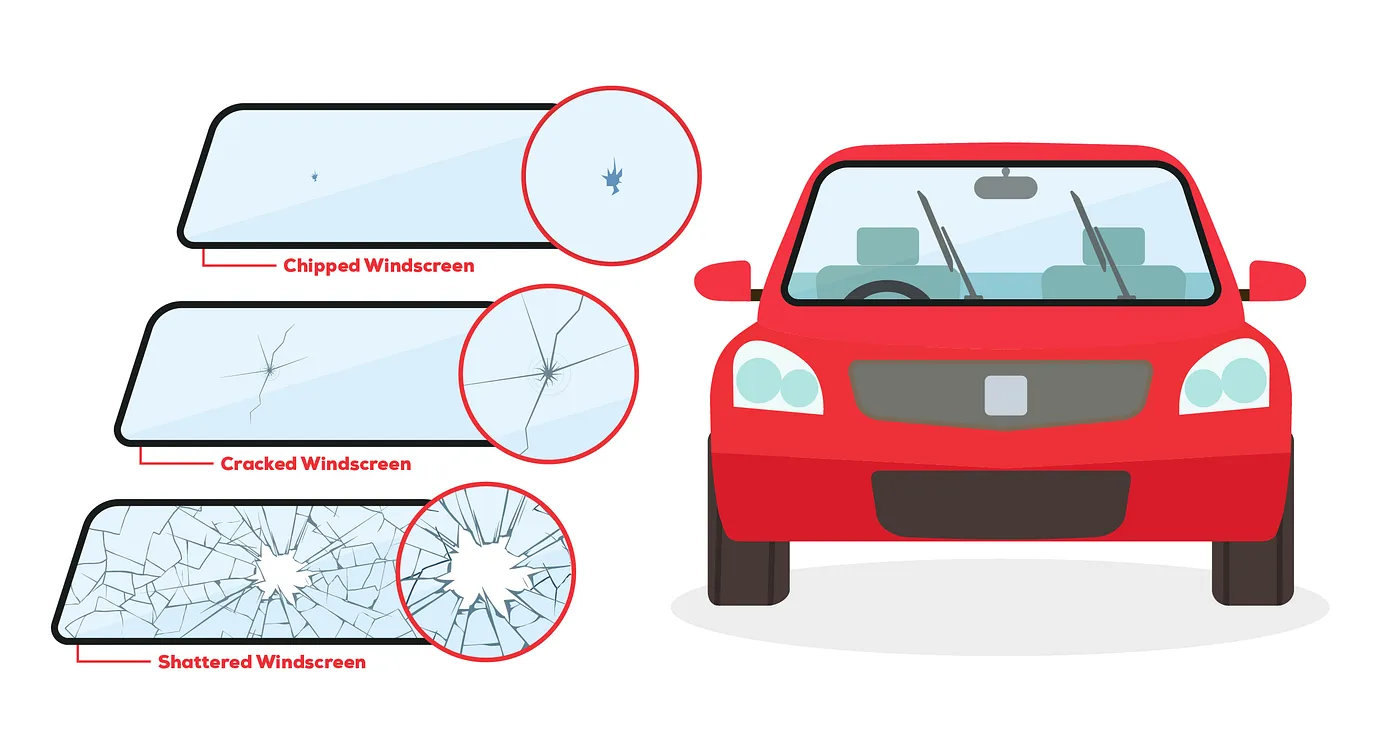
Here’s a breakdown to help you decide between repair or replacement:
- Types of Windscreen Damage:
- Chips: Small cracks caused by debris impact, typically no larger than a quarter inch in diameter.
- Cracks: Larger fractures, often due to impact or temperature changes. These can vary significantly in size and location.
- Shattered: Extensive damage from accidents or forceful impact.
- Repair vs. Replace: The good news is that minor chips can often be repaired using a resin injection process. This is a cost-effective solution for small imperfections that don’t obstruct your view. A qualified technician can inject a clear resin into the crack, filling it and preventing further damage. The resin is then cured with ultraviolet light, restoring the windscreen’s clarity. However, extensive cracks, especially those that run through the driver’s line of sight, necessitate a complete windscreen replacement to ensure optimal safety and visibility. Cracks can refract light and distort your vision, posing a major safety hazard. Additionally, large cracks compromise the windscreen’s structural integrity, making it less effective in protecting you in an accident.
Remember: While this guide provides a general overview, it’s crucial to consult your car’s manual for specific instructions and safety precautions. For complex repairs or when in doubt, don’t hesitate to seek help from a qualified mechanic. They will have the expertise and tools to diagnose the problem accurately and get your windows functioning properly once again.


